Flextight vs Drum Scanning
These comparisons show scans of the same film made on our Imacon Flextight Precision II and Howtek Scanmaster 4500.
Move your cursor over an image to switch from the Flextight scan to the Howtek scan. With the cursor off the image, the Flextight scan is shown. On devices without a mouse, tap the image to switch between the two.
Each original was scanned at the maximum resolution used for that format on each scanner. No sharpening or other post-processing has been applied beyond the scanner colour profiles.
Colour negative and black-and-white comparisons will be added soon.
Comparison A - 6x6 E6
Tonality and Sharpness Consistency
The Flextight scan was made at 3200 DPI and the Howtek scan at 4000 DPI.
In the full image, compare the overall tonality of the two scans, particularly the reproduction of the skin tones.
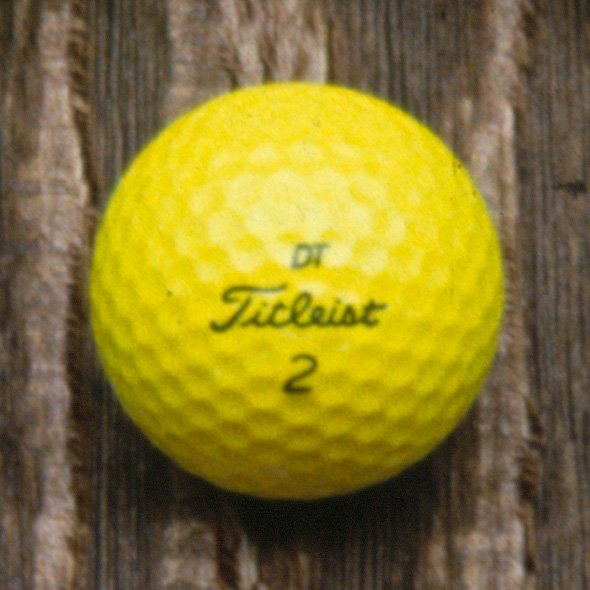
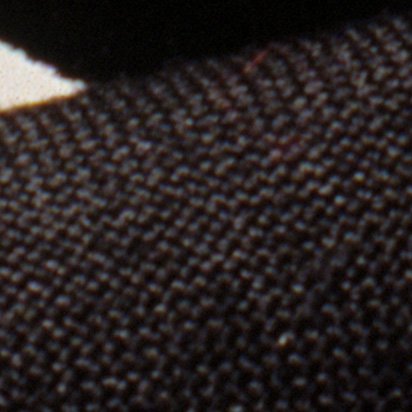
The difference in sharpness becomes more apparent in the close-ups. The Flextight uses a flexible film holder that curves as it passes through the scanner. Although this arrangement helps support the film, it does not always hold the entire original perfectly flat. Small variations in film position can therefore affect sharpness across the frame.
With the Howtek, the film is wet mounted directly to the drum, providing more consistent positioning relative to the scanner optics. In this example, the result is visibly greater and more consistent sharpness across the image.

Comparison B - 6x6 E6
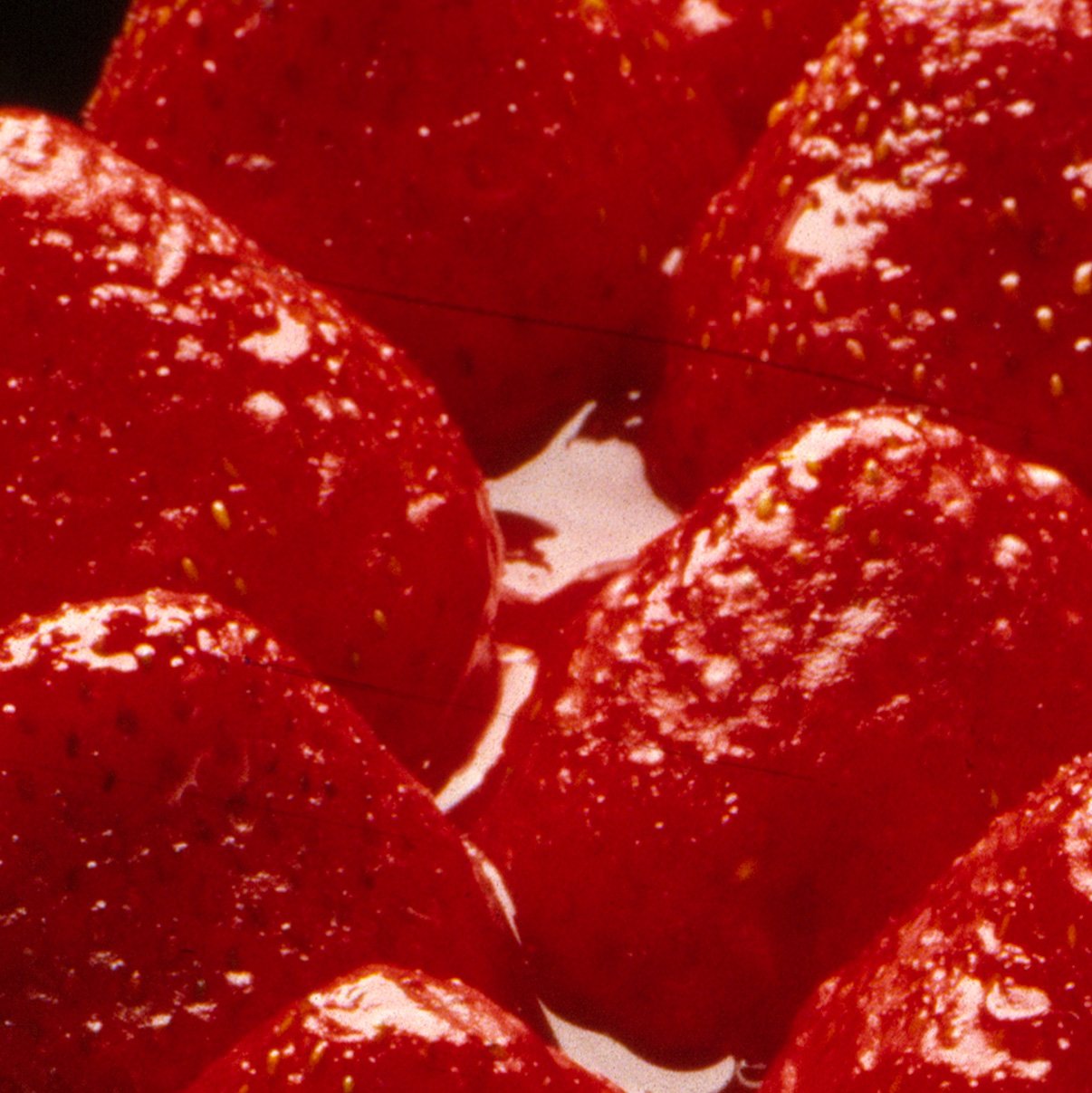
Surface Imperfections & Sharpness
The Flextight scan was made at 3200 DPI and the Howtek scan at 4000 DPI.
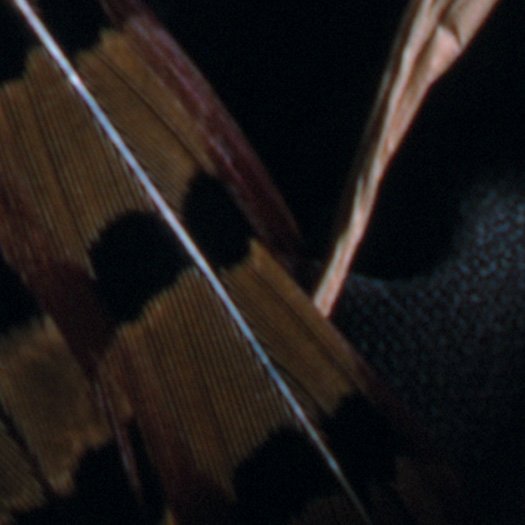
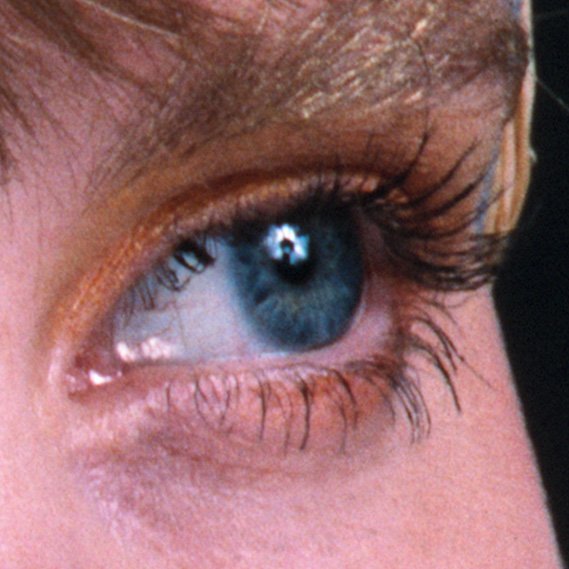
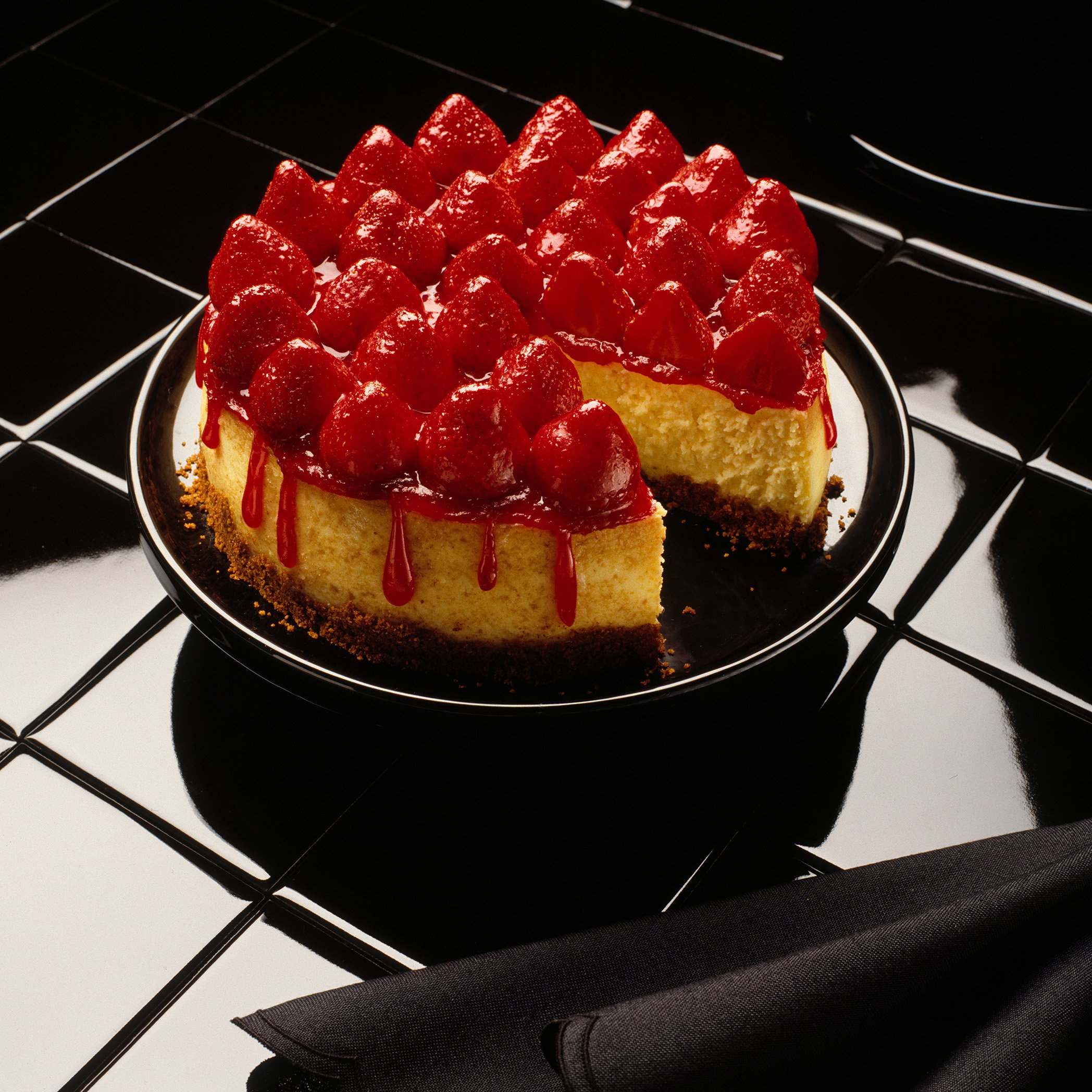
In the close-up of the strawberries, several fine scratches visible in the dry Flextight scan become substantially less apparent in the Howtek scan.
This is one of the benefits of wet mounting. The optical mounting fluid reduces the way light is scattered by many fine surface scratches and imperfections, making them much less visible to the scanner. Wet mounting can also significantly reduce the amount of visible dust and other minor surface defects in the finished scan.
The comparison also provides another example of the difference in sharpness between the two scanning methods.
Comparison C - 35mm E6
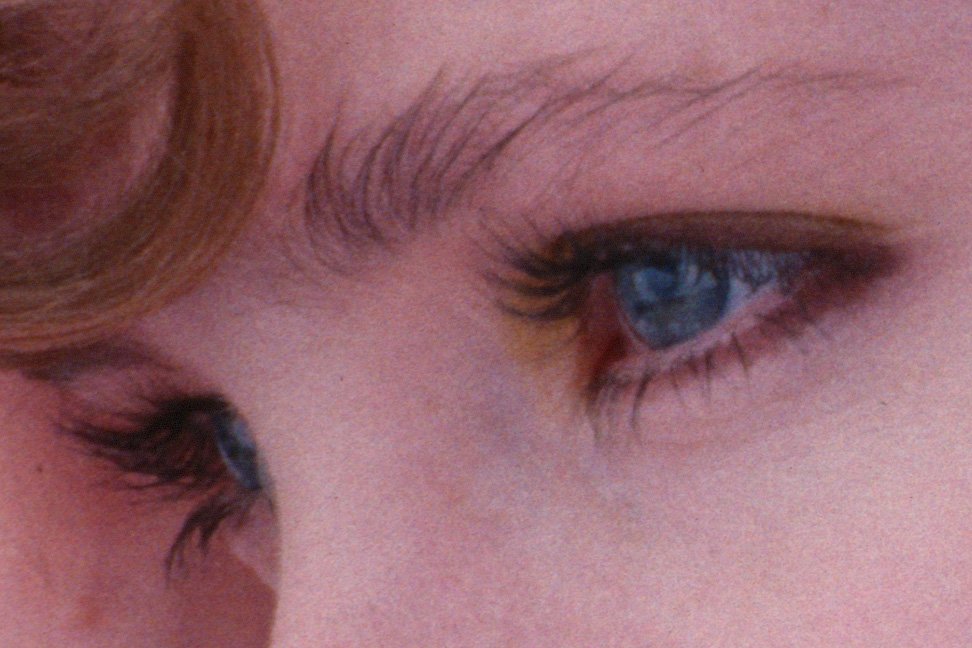
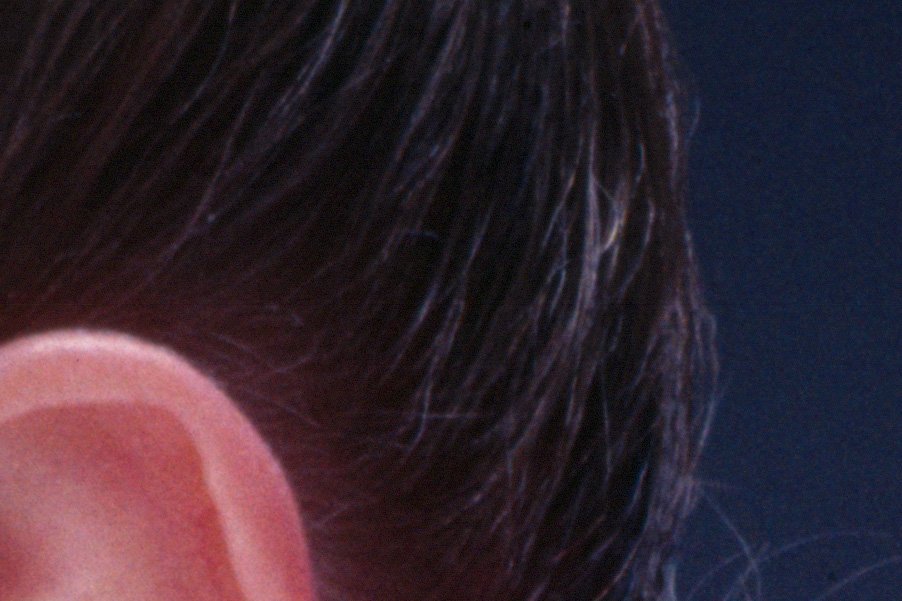
Skin Tones and Shadow Definition
The Flextight scan was made at 6300 DPI and the Howtek scan at 4000 DPI.
In the full image, compare the reproduction of the skin tones and the overall tonal relationships between the two scans.
The close-up of the model’s eyes is particularly interesting because the Flextight was scanned at a higher nominal resolution—6300 DPI compared with 4000 DPI on the Howtek—yet the Howtek scan appears sharper. It is a useful demonstration of why scanning resolution alone does not determine the amount of useful detail in a finished scan.
In the second close-up, look at the model’s hair and the surrounding dark areas. The Howtek provides greater separation within the shadows, with fine tonal differences remaining more clearly defined rather than becoming blocked together.

Comparison D - 35mm E6
Resolution and Acutance
The Flextight scan was made at 6300 DPI and the Howtek scan at 4000 DPI.
Even in the full image, the Howtek produces a slightly crisper appearance. The difference becomes easier to see in the close-ups, where fine edges and small details have greater definition despite the Howtek’s lower nominal scanning resolution.
This is a difference in acutance—the apparent sharpness produced by the contrast and definition of fine edges—rather than simply a difference in pixel count. A higher DPI figure does not necessarily translate into greater resolved detail.
In this example, the Howtek’s 4000 DPI scan again produces greater apparent definition than the Flextight scan at 6300 DPI.